

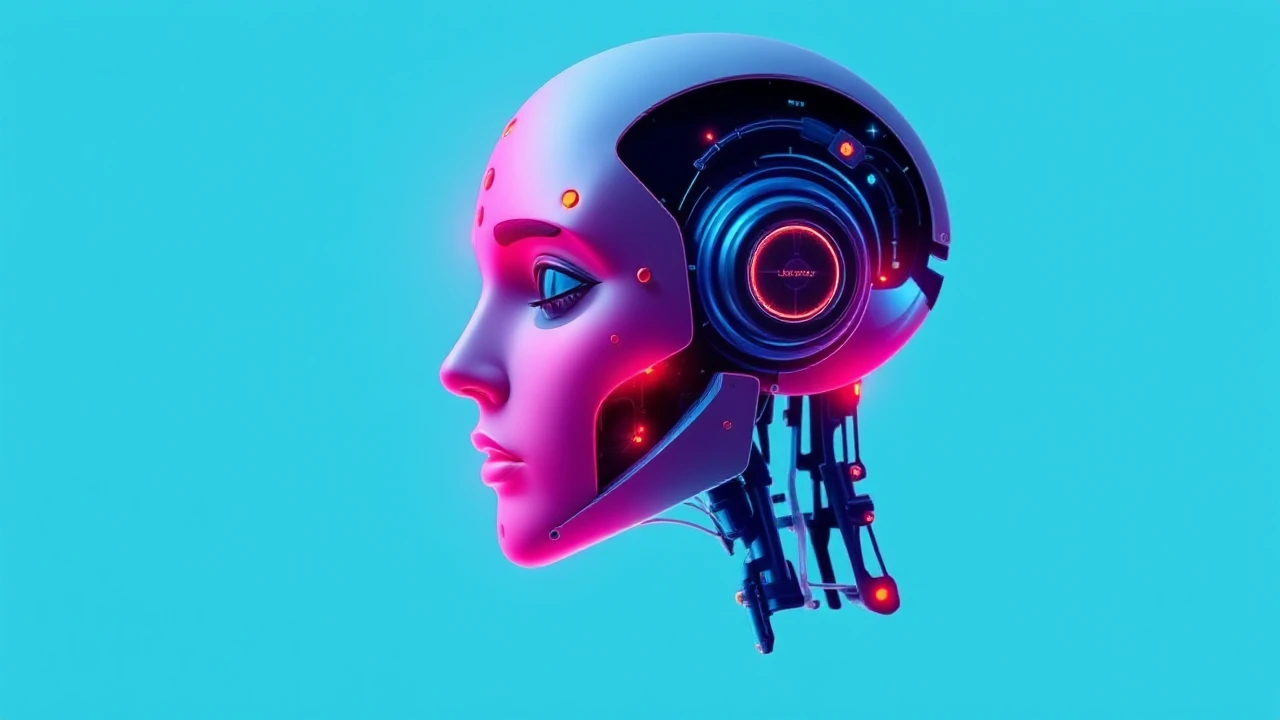
When Machines Learn to Care
For decades, artificial intelligence was all logic and no feeling. Its purpose was calculation — efficiency without empathy. But as AI increasingly shapes how we play, work, and connect, the limits of pure logic have become painfully clear. Enter gaming — the unlikely teacher of emotional intelligence for machines. Through its dynamic storytelling, real-time feedback, and player-driven interactions, gaming provides the perfect laboratory for AI to learn emotion: how humans express it, how they react to it, and how digital systems can respond ethically. The next frontier of AI won’t be smarter. It will be more human.
The Emotion Gap in Technology
Most AI systems excel at pattern recognition — but fail at understanding context. They can analyze a heartbeat but not heartbreak; detect words but not tone. That’s where gaming changes everything. Games immerse AI in a world of emotion-rich data — joy, frustration, suspense, triumph. These are measurable human experiences, reflected in behavior, speech, and even biometric feedback. By observing how players engage with challenges or narratives, AI learns the nuanced patterns of human emotion — not just what people do, but why they do it.
Gaming as a Mirror of the Mind
Every play session is a psychological fingerprint. How long we hesitate before a choice, how we react to failure, how we approach uncertainty — all of it reveals how humans process emotion. This feedback loop allows AI systems to develop what researchers call affective intelligence — the ability to perceive and respond to human feeling. In narrative games, AI-driven companions already adjust dialogue based on player mood. In adaptive environments, music and lighting respond dynamically to emotional tone. What began as immersion has become interaction with empathy.
Teaching Empathy Through Code
Empathy isn’t something machines feel — it’s something they learn to model. By training on emotional data from interactive environments, AI begins to approximate empathy: detecting when players are stressed, frustrated, or engaged, and responding with supportive design adjustments. This doesn’t just make games more enjoyable. It makes them emotionally ethical. Imagine a system that recognizes anxiety and automatically slows gameplay, or one that senses focus fatigue and encourages rest — a digital environment that respects human limits. That’s not fiction anymore; it’s responsible design.
The Rise of Emotional Algorithms
AI-driven emotion modeling is becoming a multi-billion-dollar industry, from therapeutic VR to adaptive learning platforms. But it comes with risk. Emotional data — facial cues, tone of voice, neural feedback — is among the most intimate information we produce. Platforms must ensure this data is treated as psychological trust, not just behavioral analytics. That’s why verified ecosystems such as http://mega888ai.com/ are emphasizing transparent AI governance, secure data handling, and consent-based emotional analysis. Ethical frameworks like these show that emotion-aware technology can evolve responsibly — enhancing experience without exploiting sensitivity. Emotion, after all, should be understood — not harvested.
The Human-AI Feedback Loop
Interestingly, as AI learns emotion from us, we’re learning emotional awareness from it. Games that mirror player emotion can teach mindfulness — helping users notice frustration before burnout, or encouraging self-reflection through feedback loops. This creates a reciprocal evolution: AI learns to understand us, and we learn to understand ourselves. In psychology, this is called biofeedback therapy. In gaming, it’s becoming an everyday experience.
From Empathy to Expression
AI isn’t just observing emotion — it’s starting to express it. Neural language models trained on emotional tone can generate dialogue that mirrors compassion or humor. Game worlds are becoming emotionally expressive spaces, reacting dynamically to the player’s energy. This is the foundation of emotional storytelling — narratives that adapt to how you feel, not just what you do. Soon, games won’t just ask for choices; they’ll respond to your state of being.
The Ethics of Feeling
But there’s a fine line between empathy and manipulation. When algorithms understand emotion, they can comfort — or control. The difference lies in intent. Ethical AI design ensures transparency: players must always know when their emotions are being read, and how that data is used. This is where trust-driven platforms like MEGA888ai set a standard — demonstrating that emotional intelligence in AI must always align with human autonomy. Emotionally responsive systems should guide, not game, the player.
Healing Through Play
Emotionally intelligent games are also transforming therapy. Clinicians use VR simulations to help patients confront phobias, manage trauma, or practice social interactions. These systems rely on AI to detect emotional states and tailor exposure gently and safely. What began as entertainment is now a bridge between psychology and technology — where healing happens through interaction, not isolation. For patients with autism, anxiety, or PTSD, emotional gaming offers structured spaces to explore feelings at their own pace. When AI understands emotion, it doesn’t just create better experiences. It creates better humans.
Emotion as the Next Interface
The next evolution of technology won’t require keyboards, controllers, or even screens. It will rely on emotion as interface — our facial expressions, voice tone, and bio-signals guiding interaction naturally. Gaming is already leading this transition. In the coming decade, emotional computing will define everything from customer service to education — systems that can detect when we’re confused, disengaged, or inspired. But these systems will only thrive if built on ethical transparency — where data belongs to the user, not the algorithm. The emotional web must be empathetic by design.
The Future of Feeling
For the first time in history, we’re teaching machines not just to think, but to understand. Gaming has become the emotional classroom of the digital age — a sandbox where human psychology and artificial intelligence learn from each other. And in ecosystems that prioritize consent, fairness, and trust — like MEGA888ai — that evolution remains aligned with human dignity. Because the true measure of AI’s progress won’t be how fast it learns, but how well it listens. Emotion isn’t a flaw in intelligence. It’s what makes intelligence worth having.